
Facelift techniques have become increasingly refined, giving surgeons more options to address facial aging with precision. Among these approaches, modified deep plane and extended deep plane facelifts both work within the deeper layers of the face, but can differ in the extent of tissue release and repositioning.
The distinction isn’t always clear-cut. Facelift terminology is not fully standardized, and surgeons may use these terms somewhat differently based on their technique and surgical philosophy. Understanding the anatomy and goals behind each approach can be more useful than the name itself when considering which may be right for you.
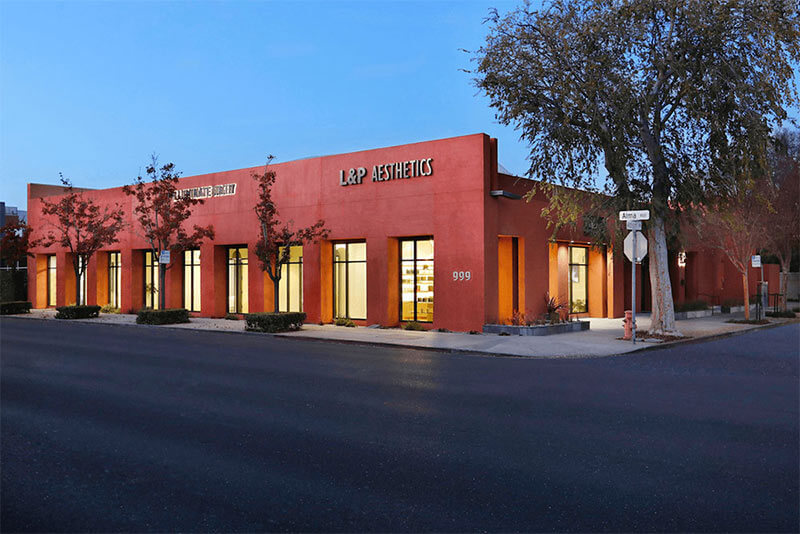
At L&P Aesthetics, our double-board certified facial plastic surgeons specialize in advanced deep plane face and neck lifting, tailoring the surgical approach to each patient’s anatomy, pattern of aging and desired outcome.
What Is a Deep Plane Facelift?
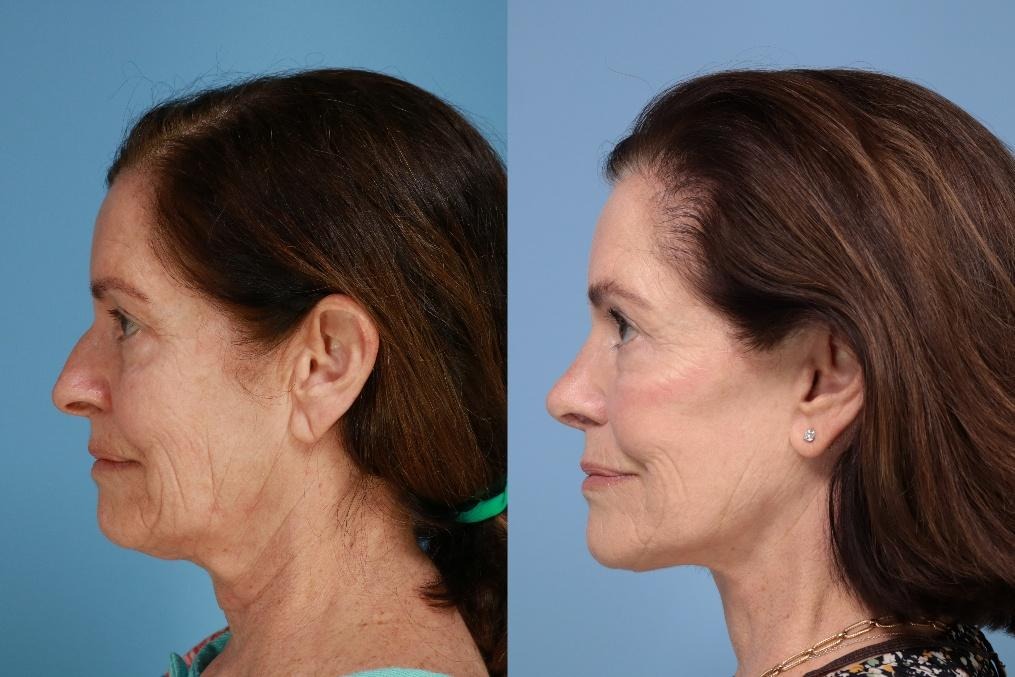
A deep plane facelift works beneath the skin at the level of the SMAS, the supportive layer of connective tissue and muscle that plays an important role in facial aging.
Rather than relying on tension on the skin to create lift, a deep plane technique releases key retaining ligaments and repositions deeper facial tissues together. This allows the surgeon to restore the cheeks, improve jowling and redefine the jawline while redraping the skin with minimal tension.
The goal is not to create a different face. It is to reposition tissues that have descended with time, helping restore more youthful facial contours while maintaining the features that make the patient look like themselves.
What Is a Modified Deep Plane Facelift?
“Modified deep plane facelift” can mean different things depending on the surgeon.
Generally, the term describes a deep plane technique that has been adapted or refined from the original surgical approach. A surgeon may modify the extent of dissection, ligament release, direction of lift or treatment of specific areas based on their surgical philosophy and the patient’s anatomy.
At L&P Aesthetics, Dr. David M. Lieberman, Dr. Sachin S. Parikh and Dr. Steven A. Curti have refined their modified deep plane technique through years of specializing in facial rejuvenation. The L&P Signature Facelift is based on deep plane principles but is customized to address each patient’s unique pattern of facial and neck aging.
What Is an Extended Deep Plane Facelift?
An extended deep plane facelift generally refers to carrying the deep plane dissection and release farther into areas of the face, particularly the midface.
By releasing additional retaining ligaments, the surgeon can mobilize a larger area of facial tissue. This may be helpful for patients with more significant midface descent, jowling or other aging changes that require broader repositioning.
However, “extended” does not have one universally accepted definition. One surgeon’s extended deep plane facelift may overlap considerably with what another surgeon calls a modified or comprehensive deep plane facelift.
Is an Extended Deep Plane Facelift Better?
No. More extensive does not automatically mean better.
The goal of facelift surgery is not to dissect or release as much tissue as possible. It is to address the right tissues, in the right areas, for the individual patient.
For someone with significant midface descent, a more extensive release may be appropriate. Another patient may achieve an excellent result without requiring the same degree of dissection.
Ultimately, the quality of a facelift depends much more on the surgeon’s understanding of facial anatomy, surgical technique and ability to tailor the operation than on whether the procedure includes the word “extended.”
Why Do Surgeons Use Different Facelift Terminology?
Facelift surgery has evolved significantly, and experienced surgeons often refine established techniques throughout their careers. As those approaches evolve, so does the language used to describe them.
Terms such as modified, extended, vertical, preservation and composite deep plane facelift can describe meaningful technical differences, but they can also reflect an individual surgeon’s preferred terminology.
This is why patients should look beyond the procedure name. During a consultation, consider asking:
- What areas of my face and neck will this technique address?
- Which ligaments and deeper tissues will be released or repositioned?
- Why is this approach appropriate for my anatomy?
- Can I see results from patients with concerns similar to mine?
A surgeon should be able to explain not only what technique they perform, but why they recommend it for you.
Which Facelift Approach May Fit My Concerns?
There is no single facelift technique that is best for every face.
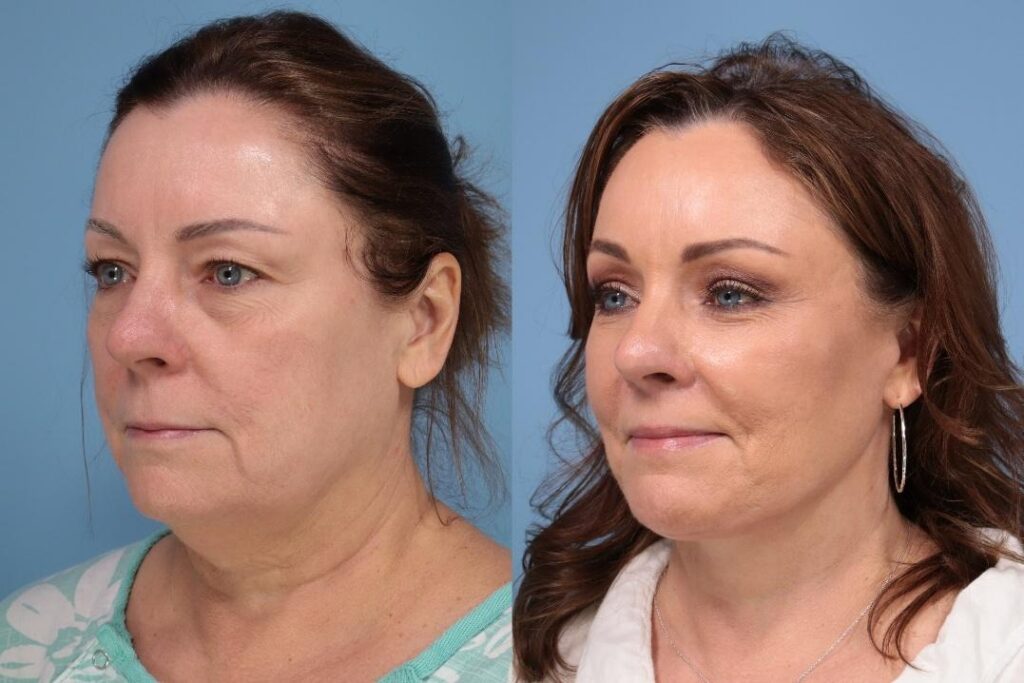
Someone primarily concerned with early jowling may require a different surgical plan than someone experiencing significant cheek descent, deep facial folds and neck laxity. Skin quality, facial structure, previous procedures and aesthetic goals can also influence the approach.
At L&P Aesthetics, facelift planning begins with the individual rather than a predetermined technique. Our double board-certified facial plastic surgeons perform deep plane face and neck lifts multiple times each week and have developed the L&P Signature approach around one principle: the operation should fit the patient, not the other way around.
If you’re considering facelift surgery, a consultation with an experienced facial plastic surgeon can help you understand which tissues are contributing to the changes you see and which approach is best suited to address them.
If you would like to schedule a consultation, call our office at (650) 327-3232 or fill out our contact form.