

What is a Revision Rhinoplasty?
Revision rhinoplasty, secondary rhinoplasty, and revision nose surgery are all common names for the procedure needed to repair aesthetic or functional issues that arise after an initial rhinoplasty. Because of the complicated anatomy of the nose, revision rhinoplasty is considered one of the most challenging facial plastic surgery procedures; therefore, it is extremely important to find a nose job revision specialist. Located in Palo Alto and Los Gatos, CA, Drs. Lieberman, Parikh, and Curti have extensive experience performing revision rhinoplasty and attract patients from throughout the San Francisco Bay Area.
If you have had a rhinoplasty and are unsatisfied with the result or continue to have issues breathing, use our online form to request your consultation with one the best nose revision surgeons or call (650) 327-3232 to schedule an appointment.
How Common is Revision Rhinoplasty?
Revision rhinoplasty is a relatively common procedure. It is estimated that around 5-15% of rhinoplasty patients seek a revision due to dissatisfaction with aesthetic outcomes, functional issues, or complications from the initial procedure. Despite the skill of the original surgeon, individual healing and changes in nasal structure can require further adjustments. This highlights the importance of choosing the right rhinoplasty revision specialist to handle these issues effectively.




An additional benefit of having surgery with L&P Aesthetics is access to The iO Clinic’s Surgical Recovery Package, specially designed by Drs. Lieberman, Parikh, and Curti.
This post-operative recovery protocol:
- Enhances your overall recovery experience
- Speeds up the recovery timeframe
- Improves your long-term results
- Provides comprehensive support throughout your healing journey
Our integrated approach to surgical care sets us apart, ensuring you receive optimal results with maximum comfort.
Every Person is Our Top Priority
Trust Your Beauty To An Award-Winning Team of Aesthetic Experts
America’s Best Plastic Surgeons by Newsweek, 2024
Best Plastic Surgeons by Palo Alto Weekly, 2024 – 2026
Best of Silicon Valley Magazine for Plastic Surgery, 2024 – 2026
Castle Connolly Top Doctors of San Francisco Bay Area, 2024 – 2026
New Beauty Top Doctors, 2019 – 2026
What to Expect During Rhinoplasty Revision Surgery
Our revision rhinoplasty surgeons have extensive expertise and devote the necessary time to educate patients so they know what can be accomplished with their desired revision nose job.Like an initial rhinoplasty, revision rhinoplasty is performed under general anesthesia at our state-of-the-art, fully accredited surgical center, AAASC. The bone and cartilage of the nose will be reshaped while preserving or re-stabilizing the nasal airways.

Why Choose L&P For Your Revision Rhinoplasty
Drs. Lieberman, Parikh, and Curti are board certified, fellowship trained and frequently perform rhinoplasty surgery, including many revision rhinoplasties, every year. They are known for providing patients with the nose they’ve always wanted. During your initial consultation, your revision rhinoplasty specialist will listen to your aesthetic and functional concerns and spend time explaining what issues may be addressed with a revision rhinoplasty and how, if appropriate, the procedure will be performed.
Who Makes a Good Candidate for Revision Rhinoplasty Surgery?
If you are a good candidate for a revision rhinoplasty, benefits may include:
Balanced Facial Appearance
Revision rhinoplasty reshapes the nose and can result in a more balanced facial structure. When done well, a revision rhinoplasty will take focus away from the nose and highlight the eyes.
Improved Breathing
Revision rhinoplasty is sometimes performed to correct nasal obstruction that occurred during a previous nose surgery.
Corrected Nasal Symmetry
Revision rhinoplasty is sometimes performed to correct a bulbous nasal tip, crooked nose or other nasal features not addressed in the initial rhinoplasty.
An Investment in the Feature That Defines Your Profile
Precision surgical artistry. Stanford-trained expertise. Results that reveal your natural beauty.
Our patients, including physicians, executives, and leaders in their fields, choose L&P Aesthetics because facial rejuvenation at this level is a deeply personal investment in confidence and looking as vibrant as you feel. Because every treatment plan is personalized to your unique anatomy and goals, we discuss your investment during a private consultation.
Your investment reflects what sets L&P apart: three double-board-certified, Stanford-trained facial plastic surgeons dedicated exclusively to the face; precision rhinoplasty techniques refined through years of surgical artistry, delivering results that look balanced, elegant, and unmistakably you; a personalized treatment plan built on a thorough consultation and complimentary VISIA 3D skin analysis; and concierge-level care from pre-operative planning through comprehensive follow-up, including travel coordination for patients flying in to our Palo Alto or Los Gatos locations.
An investment of this significance deserves a conversation, not a price list. During your private consultation, your surgeon will evaluate your facial anatomy, discuss your goals, and provide a personalized recommendation with complete clarity on your options and your investment.
You’ve built an extraordinary life. Your reflection should match the vibrant energy you bring to everything you do.
What Is The Cost of a Revision Rhinoplasty in Palo Alto & Los Gatos?
Dr. Lieberman Named To America’s Best Plastic Surgeons For Rhinoplasty
Dr. Lieberman was recently named to America’s Best Plastic Surgeons in the category of rhinoplasty by Newsweek.
Revision Rhinoplasty Before and After Gallery
View real results from real patients below.
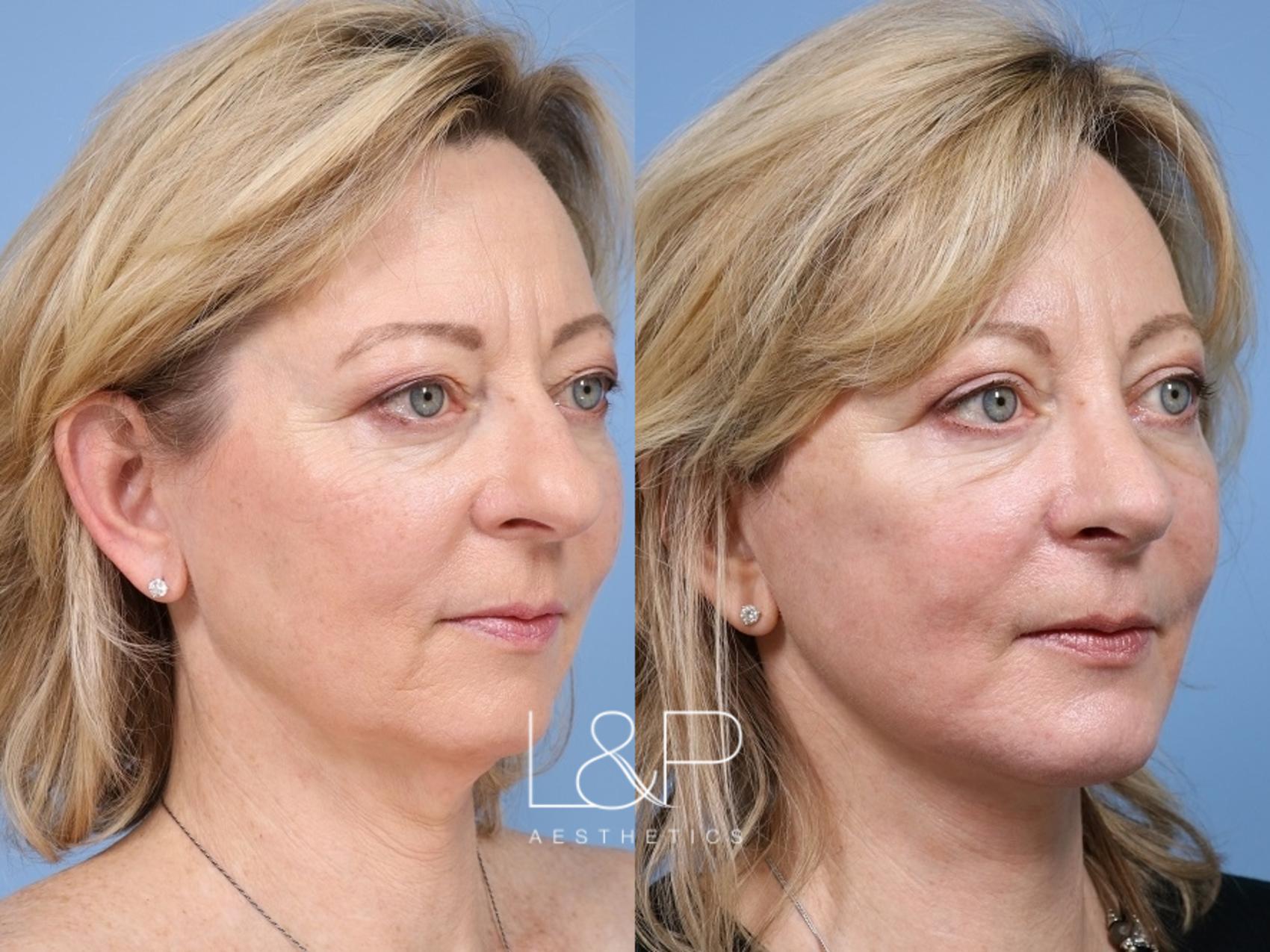
Deep Plane Facelift Combined with Rhinoplasty
This beautiful patient received a L&P Signature facelift & neck lift, a rhinoplasty, upper blepharoplasty, and chin augmentation! She is an incredible healer as her procedure was done less than 2 months ago! This patient is a business owner that is proud of her company being able to continue its success through the pandemic and wanted to reward her hard work with a refreshed look!
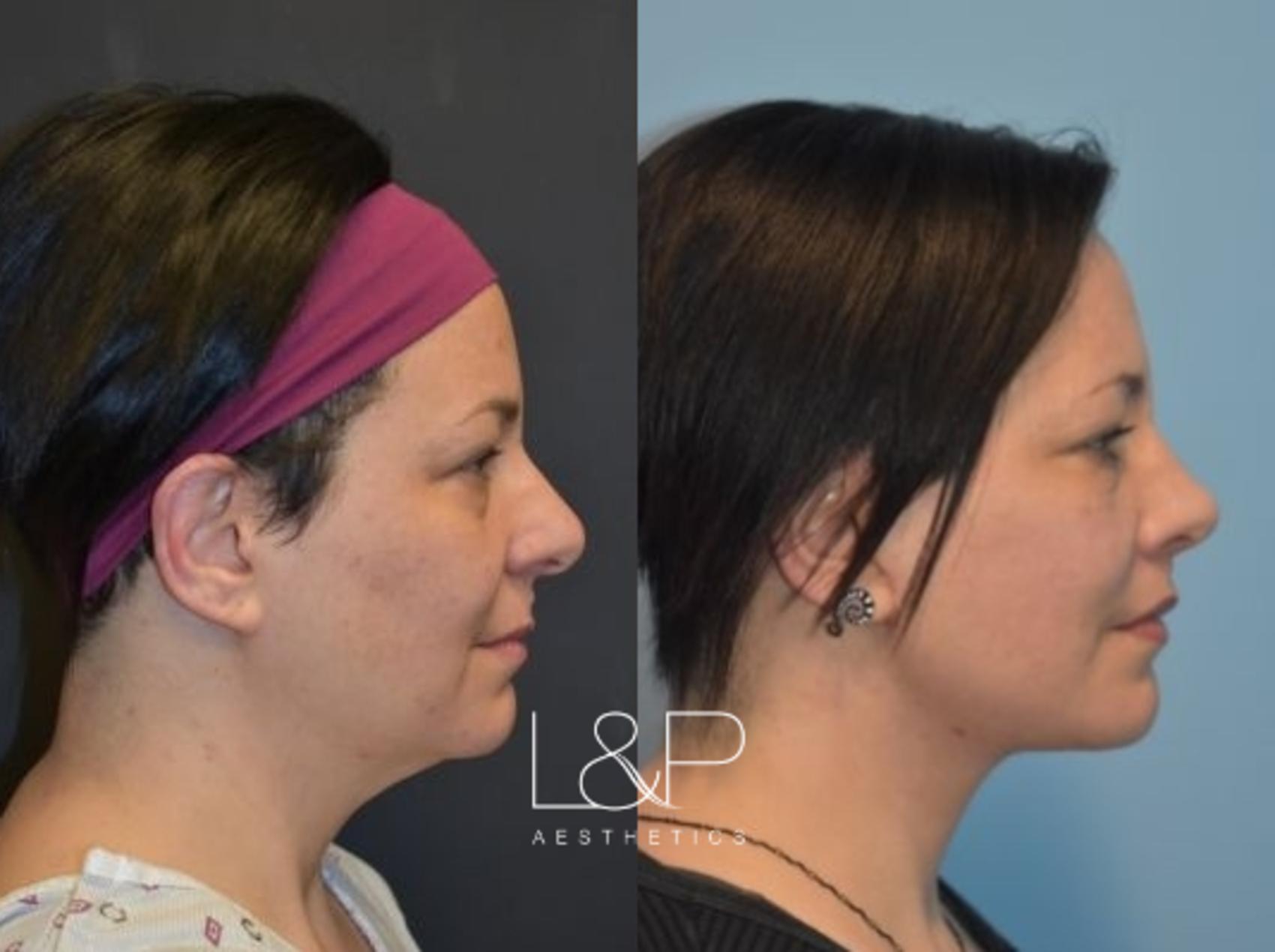
Neck Lift and Rhinoplasty for Lovely Woman
Deep plane face and neck lift, subnasal lip lift, and a rhinoplasty for a stunning patient!
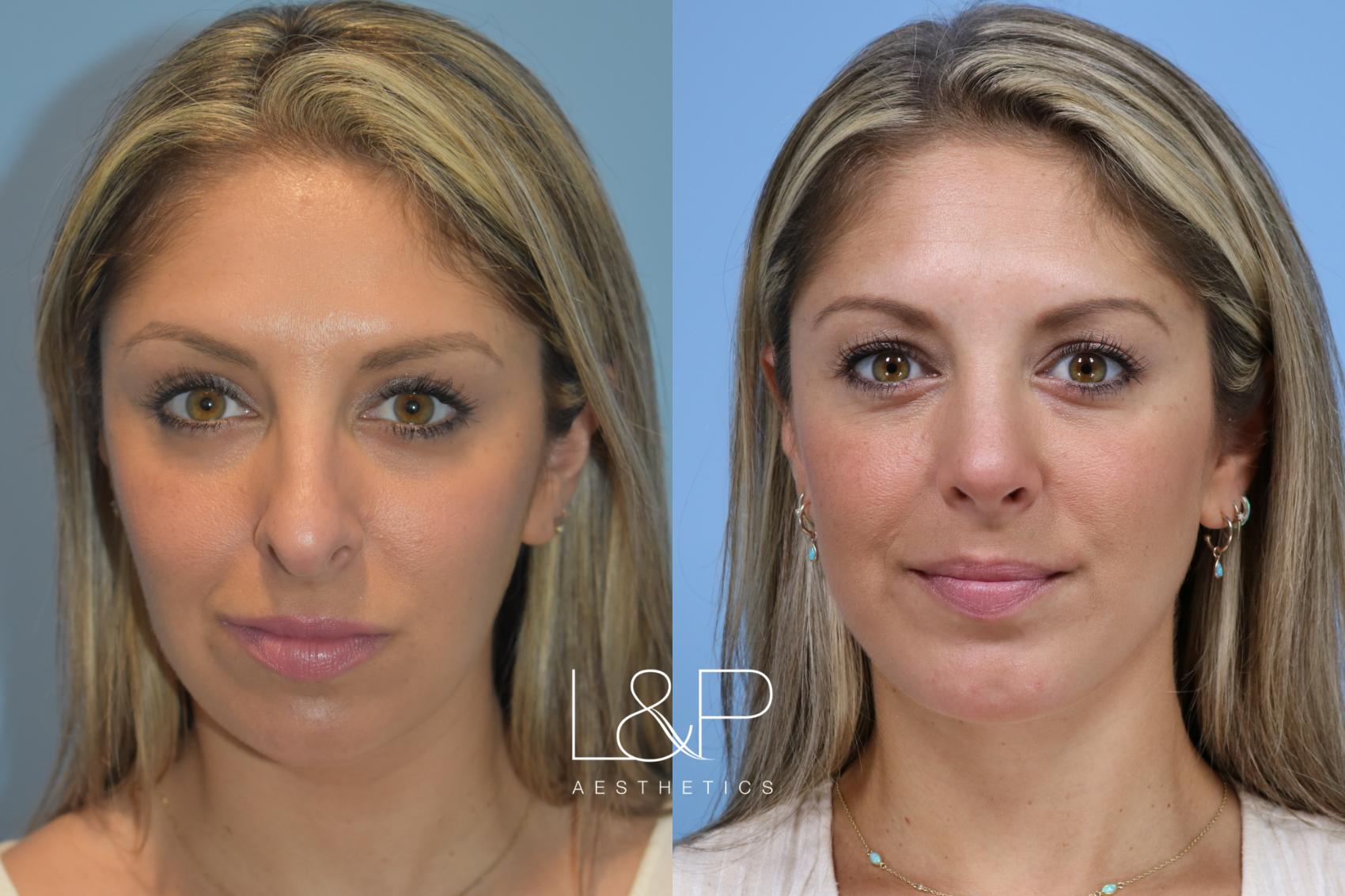
Rhinoplasty, Midline Neck Lift & Chin Augmentation
Just 3 months after a rhinoplasty, chin implant and the L&P midline neck lift, this lovely and beautiful patient is looking great. When done well, subtle contour changes can make a big difference in a person’s overall appearance and sometimes these small changes have a huge impact on a person’s confidence.
Revision Rhinoplasty Recovery and Beyond
Drs. Lieberman, Parikh, and Curti believe it is critical that you understand all aspects of the revision rhinoplasty surgery and the limitations of the procedure.
Revision Rhinoplasty FAQs
Medically reviewed by Dr. David M. Lieberman, MD, Dr. Sachin S. Parikh, MD, and Dr. Steven A. Curti, MD—double board-certified facial plastic surgeons.
Reviewed for clinical accuracy, facelift candidacy, recovery guidance, procedural terminology, and patient safety. Last reviewed July 2026.
Revision rhinoplasty is a second nasal surgery performed to improve the appearance of the nose, its breathing function, or both after a previous rhinoplasty. It is sometimes called secondary rhinoplasty.
The goal is to address a specific concern left by an earlier procedure, such as asymmetry, an irregularity along the bridge, a tip that did not refine as expected, or nasal obstruction. Because the nose has already been operated on, revision surgery works with altered anatomy, scar tissue, and cartilage that may have been reduced or removed. That makes careful evaluation and individualized surgical planning especially important.
Most patients pursue a revision for one of three reasons: an aesthetic concern, a breathing concern, or a combination of the two. Studies of revision patients frequently find both occurring together, which is why the airway and the appearance should be evaluated at the same visit.
Common reasons include:
- Asymmetry or a nose that still looks deviated
- A residual bump, irregularity, or visible edge along the bridge
- A tip that is too full, too narrow, over rotated, or under projected
- A nose that looks over reduced or does not suit the rest of the face
- Collapse or weakening of internal support structures
- Difficulty breathing through one or both sides of the nose
Whether surgery is the right answer depends on your anatomy, how you have healed, and what you want to change.
Our facial plastic surgeons have extensive revision rhinoplasty expertise and devote the necessary time to educate patients so they know what can be accomplished with their desired revision nose job.
Like an initial rhinoplasty, revision rhinoplasty is performed under general anesthesia at our state-of-the-art, fully accredited surgical center, AAASC. The bone and cartilage of the nose will be reshaped while preserving or re-stabilizing the nasal airways.
Revision rhinoplasty often requires grafting material to restore support that is missing or weakened. Whenever possible, your own tissue is used.
- Septal cartilage from inside the nose, when enough remains after the earlier surgery
- Ear cartilage, harvested through a well concealed incision
- Rib cartilage, used when longer or straighter structural grafts are needed
- Fascia or soft tissue, used to camouflage small contour irregularities
The right choice depends on how much material is needed, what remains after your prior procedure, and the structural goal. Each option involves a different donor site and a different healing consideration, and your surgeon should walk you through the plan before surgery.
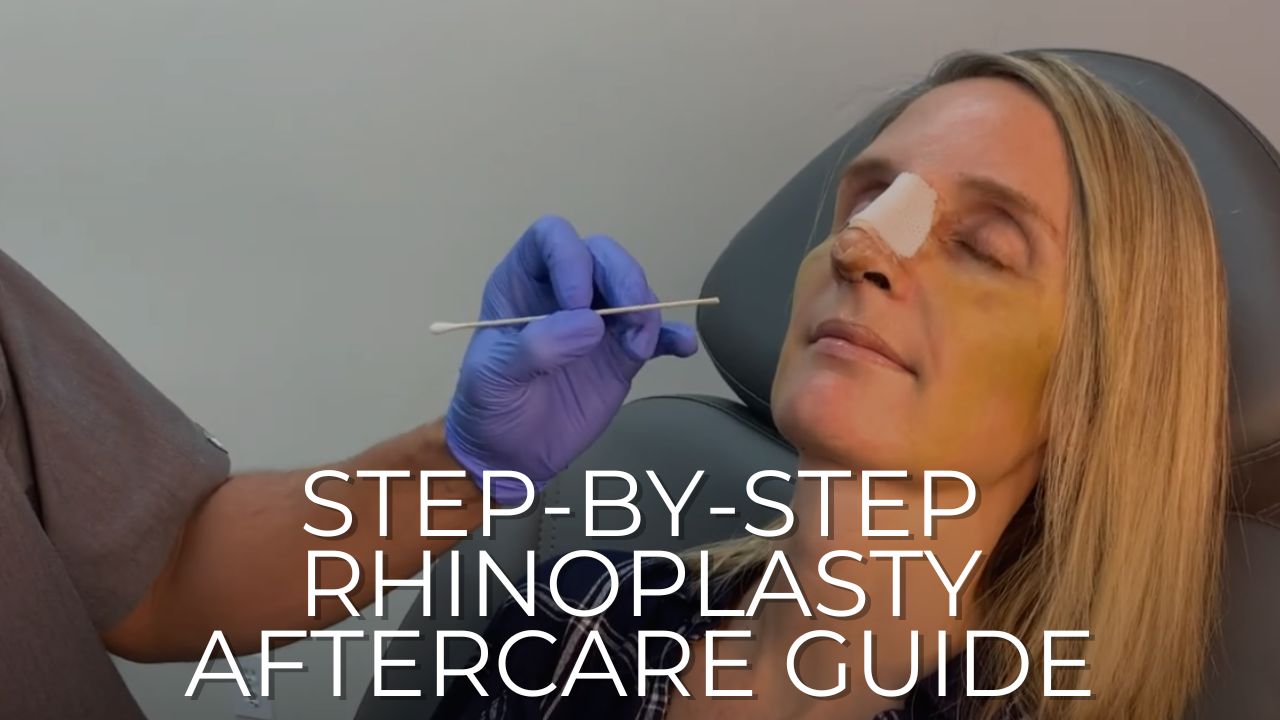
Revision rhinoplasty is performed on an outpatient basis with an initial recovery period of one to two weeks. You will wear a splint and probably have significant bruising and swelling for seven to 10 days after surgery. Thin nasal splints are occasionally used after revision rhinoplasty, never nasal packing.
One week after surgery, your surgeon will remove your splint and you will have a pretty good idea of what your new nose will look like, although there will still be significant swelling and some bruising.
It also is important to note that revision rhinoplasty requires a long-term commitment from the patient as routine follow-ups are critical component of the healing process. Full results will appear between 1 to 2 years after surgery, so it is important that the patient continue to see your surgeon on a regular basis to ensure the progress remains on track.
Common reasons for having a revision rhinoplasty include wanting to have a more balanced facial appearance, needing improved nasal airways, and desiring a corrected nasal symmetry.
Yes. In many cases functional and aesthetic concerns are addressed in the same operation.
Breathing difficulty after a rhinoplasty commonly stems from a septum that was not fully corrected, collapse of the internal or external nasal valve, over resection of supporting cartilage, or scarring inside the nose. Rebuilding structural support, for example with spreader grafts, can improve airflow while also refining contour.
Your airway should be examined directly rather than assumed. Functional and cosmetic components of nasal surgery are documented and billed differently, so ask your surgeon and the practice how that would apply in your specific case.
It is estimated that around 5-15% of rhinoplasty patients nationwide seek a revision due to dissatisfaction with aesthetic outcomes, functional issues, or complications from the initial procedure. However, the surgeons at L&P Aesthetics mostly perform revision rhinoplasty on patients who originally saw another surgeon.
Yes. Many revision patients had their original rhinoplasty performed elsewhere, and seeking a second opinion is a normal and reasonable step.
Bring your operative report, preoperative photographs, and any records you can obtain. These help your surgeon understand exactly what was done, what was used, and what remains, which shortens the guesswork in planning.
L&P Aesthetics also cares for patients who travel from outside the Bay Area, with concierge support for scheduling, travel logistics, and postoperative accommodations. Patients traveling from a distance typically begin with a virtual consultation, followed by an in-person examination before any surgery is scheduled.
For most patients, L&P surgeons recommend waiting about 9 to 12 months before having a revision rhinoplasty. That waiting period is important because swelling can take a long time to fully settle, especially at the nasal tip. Scar tissue also needs time to fully mature and soften. Therefore, the final result isn’t truly visible for about a year after the initial rhinoplasty.
You may be a candidate if you have healed from your previous surgery, you can describe a specific concern, and your expectations align with what a second procedure can realistically change.
A thorough evaluation looks at:
- Skin thickness and skin quality
- How much cartilage and structural support remains
- Scar tissue from the earlier procedure
- The septum, internal nasal valves, and airway
- Your prior operative report and preoperative photographs
- General health, medications, and healing history
- Your goals and how well they match your anatomy
Candidacy is individual. Only an in-person examination can determine whether revision surgery is appropriate for you.
Revision rhinoplasty is one of the most complicated procedures to perform so it can take more time for the surgeon to repair the nose with the added complexities from scar tissue from the original surgery.
Revision rhinoplasty requires a long-term commitment from the patient as routine follow-ups are a critical component of the healing process. Full results will appear between 1 to 2 years after surgery.
At L&P Aesthetics, the success rate for revision rhinoplasty is extremely high. All three of our double board-certified facial plastic surgeons specialize in the anatomy of the face and can repair even the most complicated revision rhinoplasties.
Because of the complicated anatomy of the nose, revision rhinoplasty is considered one of the most challenging facial plastic surgery procedures; therefore, it is extremely important to find a nose job revision specialist who is double board certified and specializes in facial anatomy.
Sometimes, some insurance plans will cover revision rhinoplasty.
Usually, between 2 and 4 weeks after the revision rhinoplasty, the swelling will subside, and patients can resume normal activities such as exercising. However, it’s critical to get clearance from your surgeon before beginning strenuous physical activity.
Look for evidence rather than claims. Revision rhinoplasty is one of the more demanding procedures in facial plastic surgery, and surgeon experience with secondary cases specifically is the variable that matters most.
Useful questions to ask at every consultation:
- Are you board certified, and by which board?
- Is your practice focused on facial plastic surgery?
- How often do you perform revision rhinoplasty specifically?
- May I see before and after photographs of revision patients with anatomy similar to mine?
- What grafting material would you plan to use in my case, and why?
- What can you improve, and what can you not improve?
- What would make you recommend waiting, or recommend not operating?
Verify board certification directly with the certifying board, and consult with more than one surgeon before deciding. A surgeon who explains limitations as clearly as possibilities is giving you the information you actually need.
Ready to learn which options may be right for you? Call or email L&P Aesthetics to schedule a consultation in Palo Alto or Los Gatos.
Still have questions? Contact us!