

Why Choose L&P For Your Rhinoplasty?
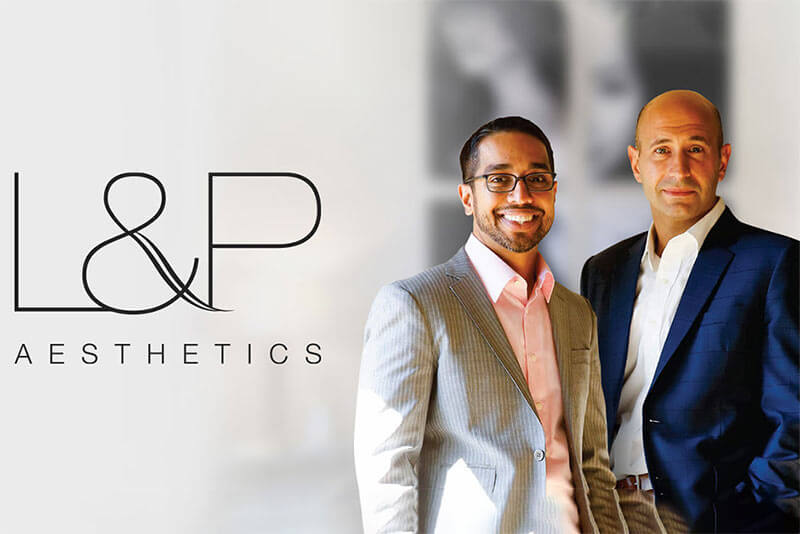
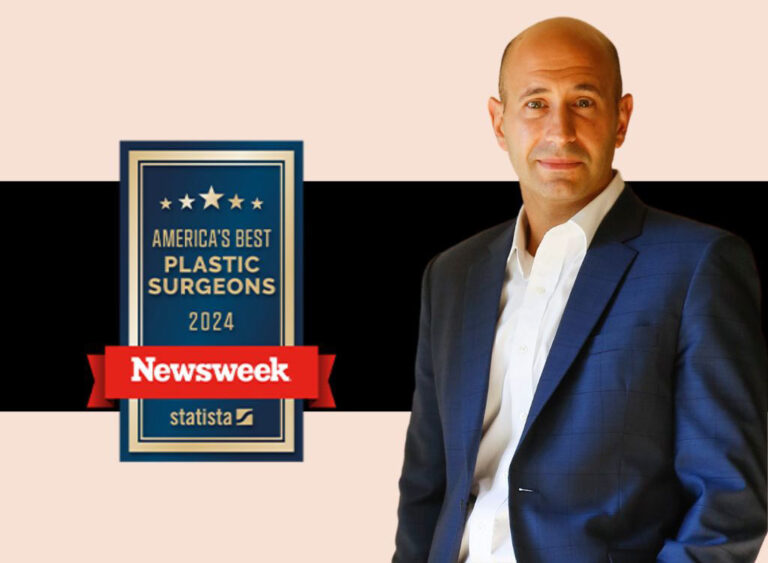
Not only are the facial plastic surgeons at L&P Aesthetics all double board certified and fellowship trained in advanced facial aesthetics, but Dr. Lieberman was recently named to America’s Best Plastic Surgeons in the category of rhinoplasty by Newsweek.




An additional benefit of having surgery with L&P Aesthetics is access to The iO Clinic’s Surgical Recovery Package, specially designed by Drs. Lieberman, Parikh, and Curti.
This post-operative recovery protocol:
- Enhances your overall recovery experience
- Speeds up the recovery timeframe
- Improves your long-term results
- Provides comprehensive support throughout your healing journey
Our integrated approach to surgical care sets us apart, ensuring you receive optimal results with maximum comfort.
Rhinoplasty Before and After Gallery
View real results from real patients below.
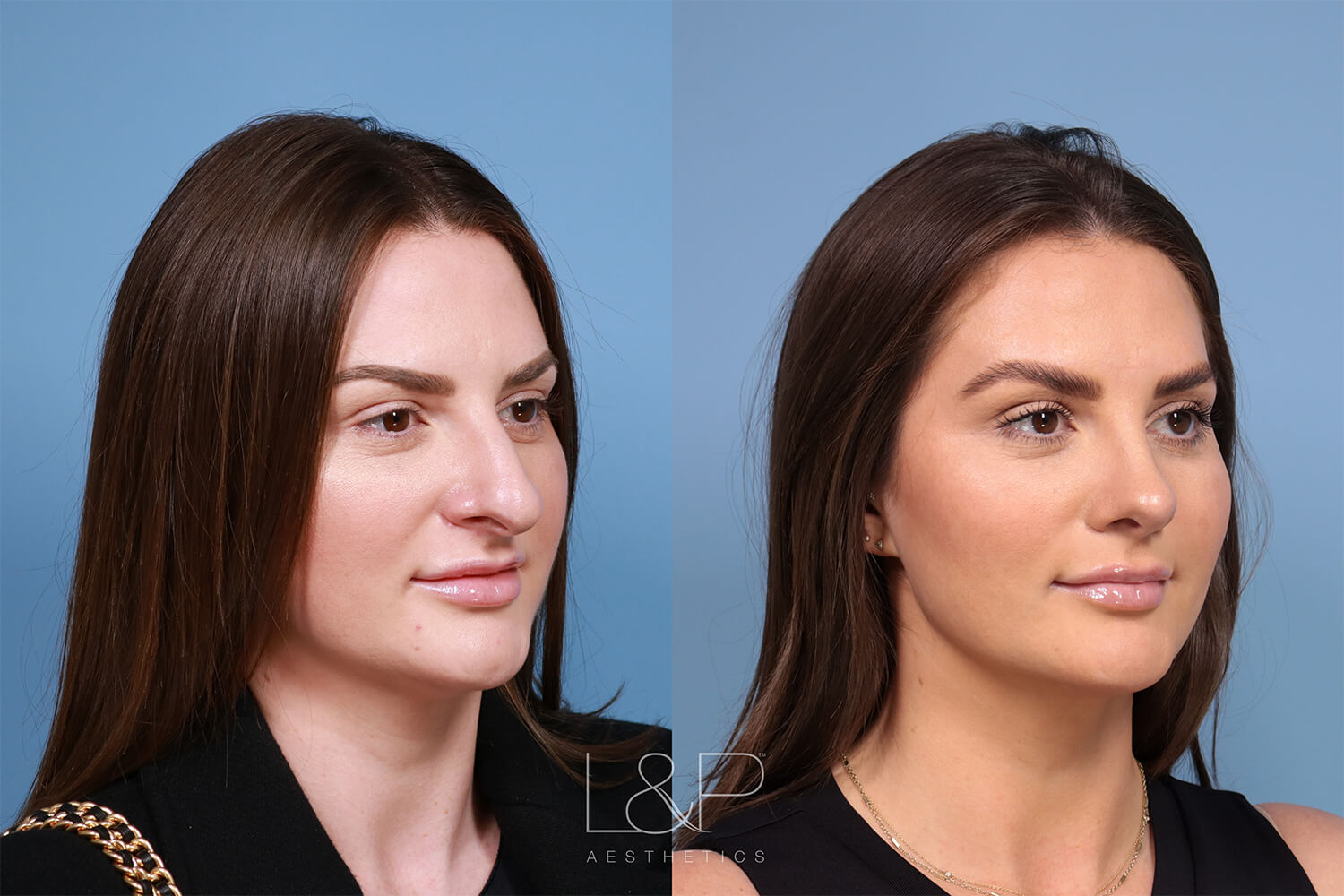
Master the Art of Balance: Complex Rhinoplasty Transformation
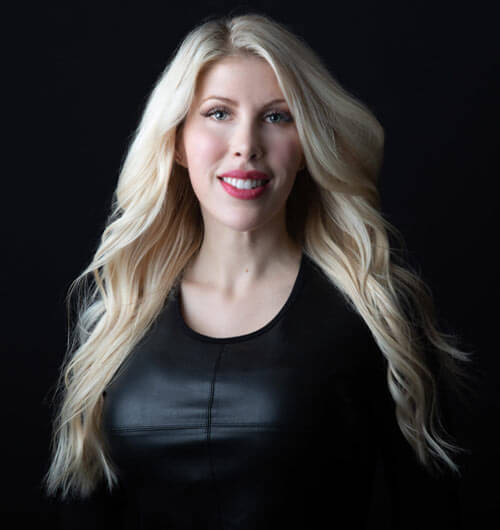
One year post-surgery results showcase the intricate challenge of nasal tip de-projection—completely restructuring the nose while preserving function and achieving natural elegance. When surgical precision meets artistic vision, the nose seamlessly integrates with your features, allowing your natural beauty to take center stage. Every detail matters in creating harmony that looks effortlessly beautiful.
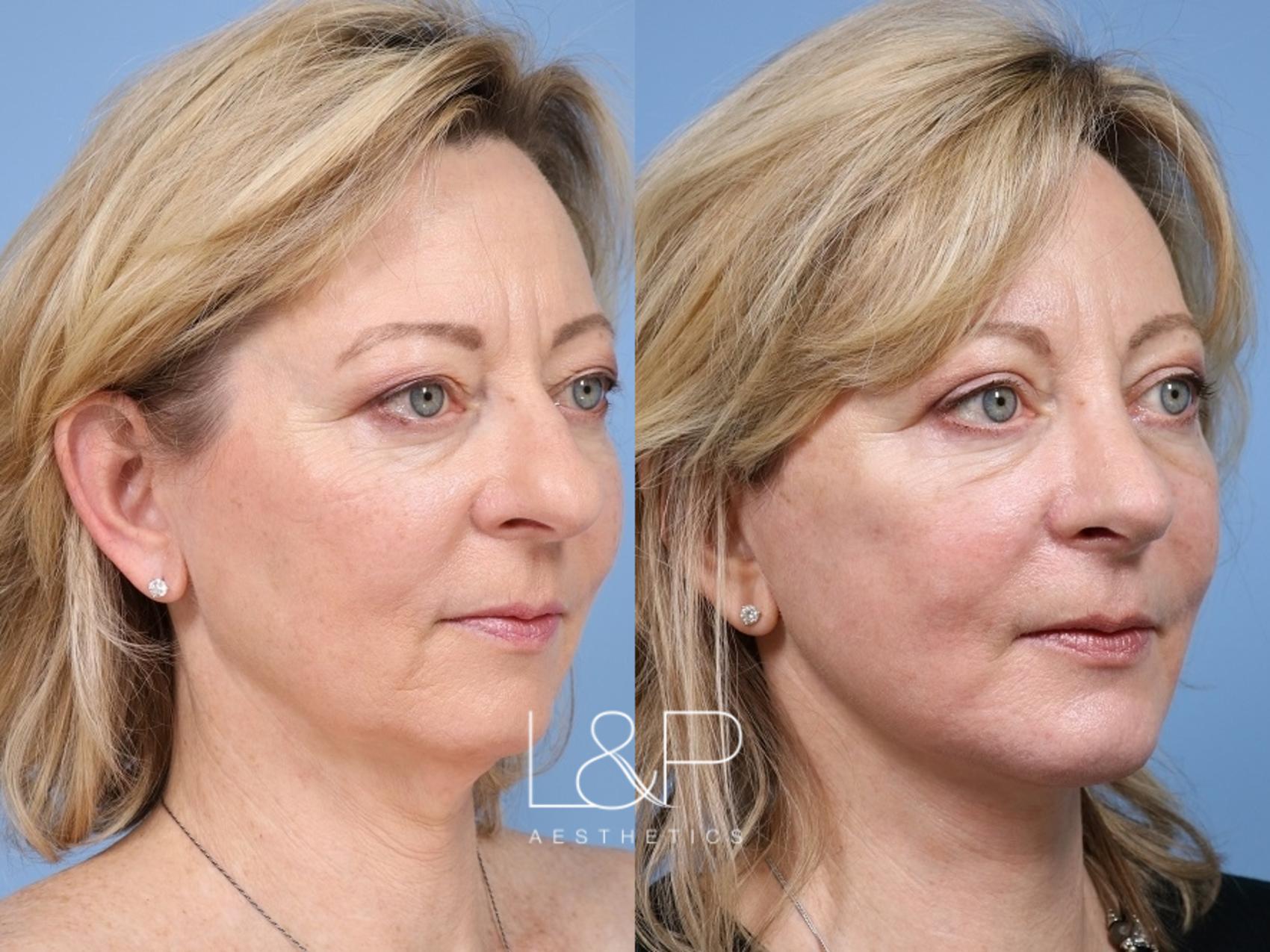
Deep Plane Facelift Combined with Rhinoplasty
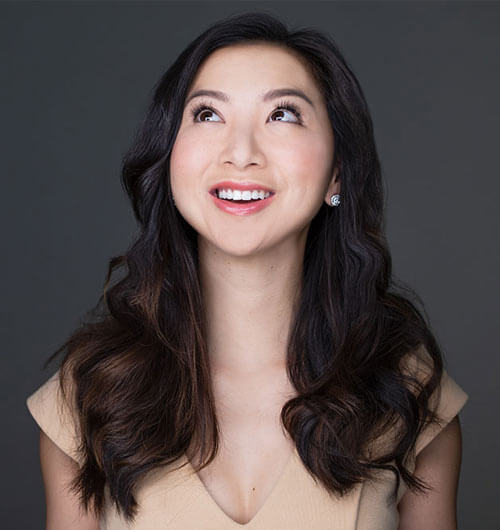
This beautiful patient received a L&P Signature facelift & neck lift, a rhinoplasty, upper blepharoplasty, and chin augmentation! She is an incredible healer as her procedure was done less than 2 months ago! This patient is a business owner that is proud of her company being able to continue its success through the pandemic and wanted to reward her hard work with a refreshed look!
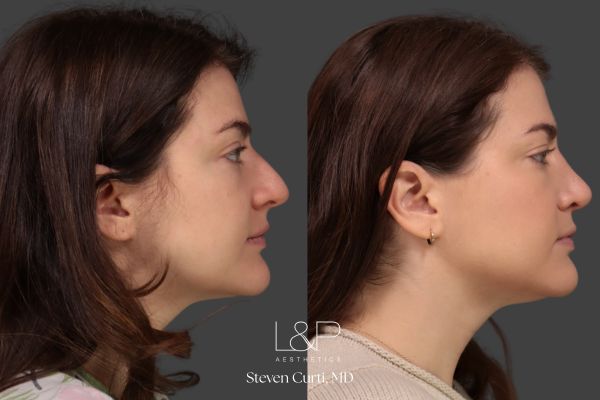
Rhinoplasty by Dr. Curti
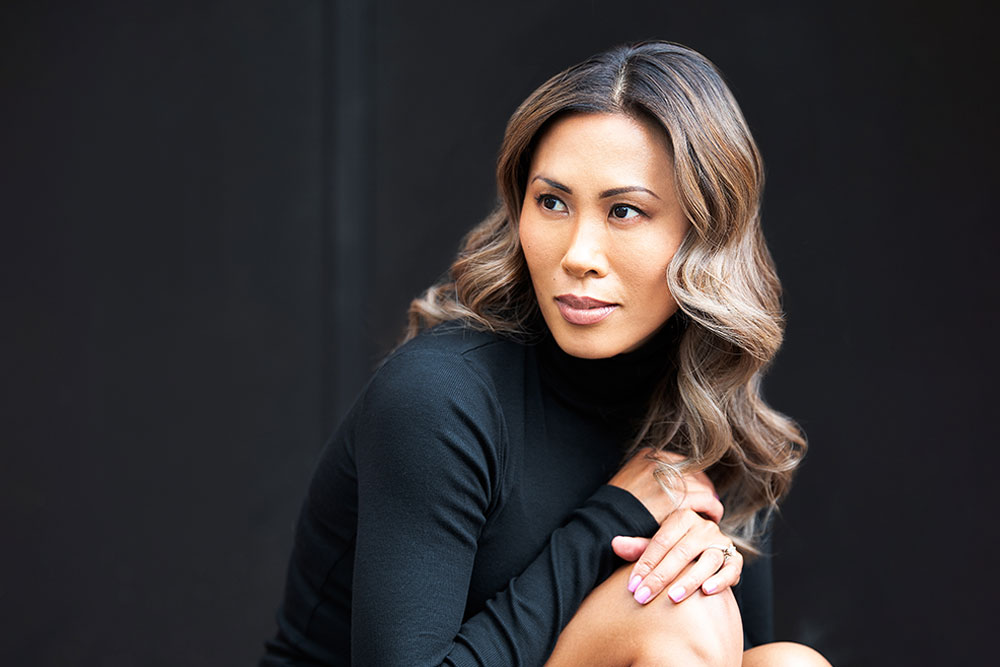
Performed by Steven Curti, MD – This patient is just shy of six months out from her rhinoplasty, and as you can see in her before and after photos, the transformation is already very noticeable.
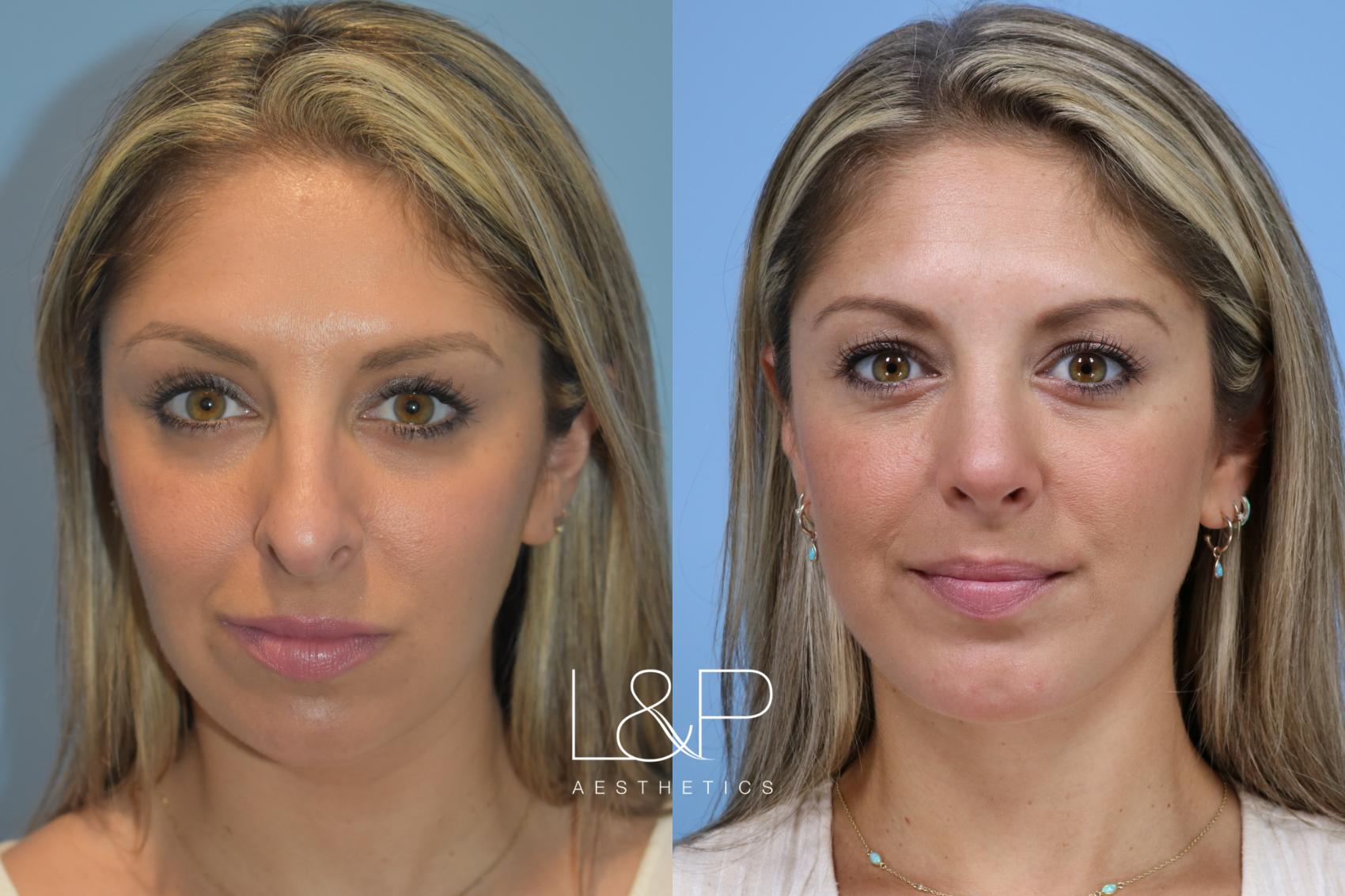
Rhinoplasty, Midline Neck Lift & Chin Augmentation
Just 3 months after a rhinoplasty, chin implant and the L&P midline neck lift, this lovely and beautiful patient is looking great. When done well, subtle contour changes can make a big difference in a person’s overall appearance and sometimes these small changes have a huge impact on a person’s confidence.
Every Person is Our Top Priority
Trust Your Beauty To An Award-Winning Team of Aesthetic Experts
America’s Best Plastic Surgeons by Newsweek, 2024
Best Plastic Surgeons by Palo Alto Weekly, 2024 – 2026
Best of Silicon Valley Magazine for Plastic Surgery, 2024 – 2026
Castle Connolly Top Doctors of San Francisco Bay Area, 2024 – 2026
New Beauty Top Doctors, 2019 – 2026
Am I a Candidate for Rhinoplasty Surgery?
Rhinoplasty is one of the most common cosmetic operations performed on the face. Common reasons patients cite for choosing rhinoplasty include:
- Correcting a high dorsum (hump on the bridge of the nose)
- Reducing the overall size of a nose
- Straightening a crooked nose
- Lifting a droopy tip
- Bringing the tip closer to the face
- Refining a rounded tip
- Narrowing a wide nose
- Lengthening a short nose
This list does not even include the large number of patients who also want to breathe better through one or both sides of their nose. Nasal airway management is a crucial component of rhinoplasty. Only a surgeon who is experienced in nasal airway surgery can maintain or improve a nasal airway while making changes to the external appearance of the nose.
Selecting the right candidate for any surgery, not just rhinoplasty, is an important part of every consultation. The overall goal is to create an aesthetic facial balance and bring about natural harmony.
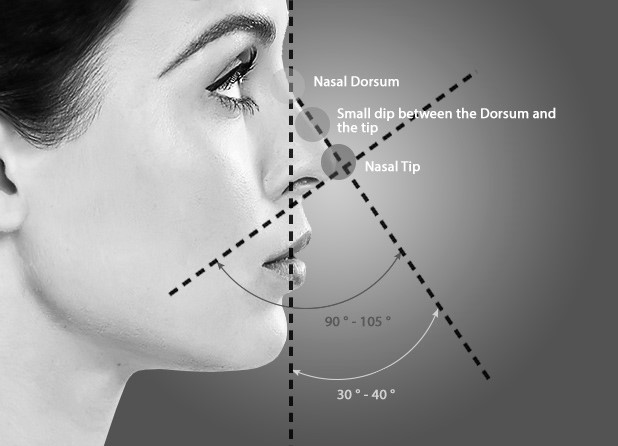
What is a Rhinoplasty?
Rhinoplasty, commonly known as a nose job, is a surgical procedure aimed at reshaping or repairing the nose. Nose reshaping is often considered the most difficult cosmetic surgery to do well. While the procedure is offered by many, a patient must be extremely careful when choosing a nose job plastic surgeon; not every surgeon is capable of creating consistent and harmonizing facial results in rhinoplasty.
A good rhinoplasty addresses your concerns, leaving a nose that draws noparticular attention to itself but allows all of the beautiful features of your face to shine in harmony. A nose should blend into the rest of a face, not draw attention to it, this allows an observer’s gaze to be drawn to the eyes, the lips, and the contour of the jaw.
At L&P Aesthetics in Palo Alto and Los Gatos, our facial plastic surgeons are considered some of the best rhinoplasty surgeons in the country. They are experienced in providing exceptional rhinoplasty results and revisions for San Francisco Bay Area patients.
Benefits of Rhinoplasty
Improved Facial Proportions
One of the primary motivations for many individuals seeking rhinoplasty is to enhance their overall facial aesthetics. For those dissatisfied with the size of their nose, rhinoplasty offers a solution to create a nose that harmonizes better with their other facial features, resulting in a more aesthetically pleasing appearance.
Refined Nasal Shape
It’s not always the size of the nose that impacts facial harmony. Individuals with asymmetrical noses or noticeable irregularities, such as bumps or indentations, can consider rhinoplasty to achieve a more refined and balanced nasal shape.
Enhanced Nasal Function
Rhinoplasty can also address functional issues. For those experiencing breathing difficulties due to structural abnormalities like a deviated septum, the procedure can include modifications to improve airflow and respiratory function.

What Makes A Good Nose?
The beauty of the nose comes from its complex appearance. If you look closely at a nose you think “fits” a face, take note of why. A “good” nose is proportional to the surrounding features. It is a blend of shadows and highlights, angles and contours. Making a bad nose look good is often a change of millimeters, sometimes even just reducing an unnatural shadow.
What Is The Difference Between An Open & Closed Rhinoplasty?
There is no single, “one-size-fits-all” approach to rhinoplasty. Each patient’s needs are unique, so the surgical methods we use will depend on the size and shape of the existing nose, as well as other factors, including the proportions of the rest of the face and the desired final outcome.
We use either the external (“open”) or endonasal (“closed”) approach when performing rhinoplasty.
During the “open” technique, a small external incision is made on the columella (tissue between the right and left nostrils) to gain access to the interior of the nose. The incision placement allows us to expose the nasal framework and offers a clear line of sight directly into the targeted structures. This can be very beneficial, particularly in complex or involved rhinoplasty surgeries, as everything is available at once. Every effort is made to keep the healed incision line as inconspicuous as possible, and many patients find that the line is barely noticeable, even if you know where to look.
What Is A Revision Rhinoplasty?
When people talk about getting a “nose job,” they are typically referring to rhinoplasty, as work done during the surgery changes the appearance of their natural nose. This procedure can reduce its size, alter its shape, and balance its proportions.
While all of these benefits can also be a part of revision rhinoplasty, that term is most often used to describe a surgery being done to correct a nose that has been aesthetically changed by prior surgery or trauma. Physical damage can disrupt symmetry, create bulges where there weren’t any before, and more, all of which can be corrected by experienced, facial-focused plastic surgeons who understand how a nose should look in the context of the rest of the face.
Patients who have had lesions removed due to skin cancer treatment, leading to an undesired visual impact on their nose, can also talk to us about skin cancer reconstruction. This is not uncommon, since skin cancer is most likely to appear on the face, and the nose is a prominent feature where cancers can develop. Some skin cancer treatment specialists can also make aesthetic repairs during the removal process, but involved cases are often referred to facial experts who have considerable knowledge of the most current surgical and minimally invasive techniques available.
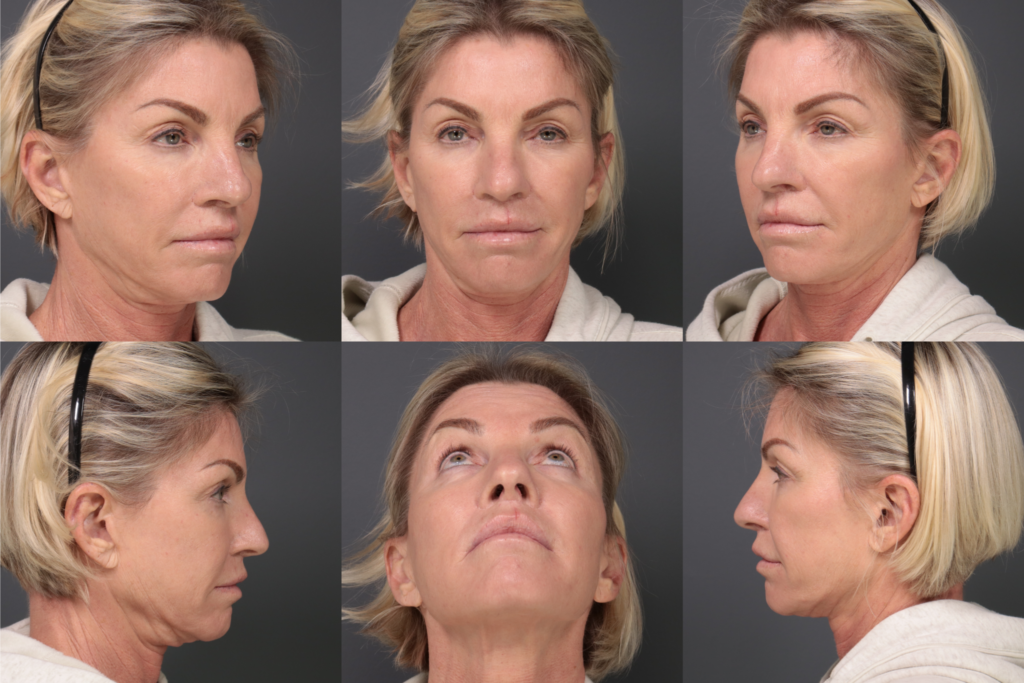
What Are Other Types of Rhinoplasty?
In addition to a primary rhinoplasty and a revision rhinoplasty, there are other types of rhinoplasties.
Ethnic Rhinoplasty
Ethnic rhinoplasty is a specialized form of rhinoplasty surgery that addresses the unique nasal characteristics and aesthetic goals of individuals from diverse ethnic backgrounds.
Ethnic rhinoplasty, such as Asian rhinoplasty, aims to enhance the appearance and function of the nose while preserving the patient’s ethnic identity and cultural heritage. It is often performed to correct structural abnormalities, improve breathing, and enhance facial symmetry without altering the patient’s distinctive ethnic features.
Functional Rhinoplasty
Functional rhinoplasty is a surgical procedure designed specifically to improve the functional aspects of the nose, such as enhancing breathing and correcting structural issues that impede nasal function. It can also include aesthetic changes but those are not the primary focus.
An Investment in the Feature That Defines Your Profile
Precision surgical artistry. Stanford-trained expertise. Results that reveal your natural beauty.
Our patients, including physicians, executives, and leaders in their fields, choose L&P Aesthetics because facial rejuvenation at this level is a deeply personal investment in confidence and looking as vibrant as you feel. Because every treatment plan is personalized to your unique anatomy and goals, we discuss your investment during a private consultation.
Your investment reflects what sets L&P apart: three double-board-certified, Stanford-trained facial plastic surgeons dedicated exclusively to the face; precision rhinoplasty techniques refined through years of surgical artistry, delivering results that look balanced, elegant, and unmistakably you; a personalized treatment plan built on a thorough consultation and complimentary VISIA 3D skin analysis; and concierge-level care from pre-operative planning through comprehensive follow-up, including travel coordination for patients flying in to our Palo Alto or Los Gatos locations.
An investment of this significance deserves a conversation, not a price list. During your private consultation, your surgeon will evaluate your facial anatomy, discuss your goals, and provide a personalized recommendation with complete clarity on your options and your investment.
You’ve built an extraordinary life. Your reflection should match the vibrant energy you bring to everything you do.
What Is The Cost of a Rhinoplasty in Palo Alto & Los Gatos?
What to Expect Before Rhinoplasty Surgery
First you will have a consultation with our rhinoplasty surgeons in Palo Alto, which includes a comprehensive overview of your medical history and an examination of the external and internal anatomy of your nose. Your L&P surgeon will ask several questions about your nose, breathing, and desired outcomes. Pictures will be taken and your surgeon will review these pictures and perform nasal morphing during the consultation. Morphing is a great time to make sure you and the surgeon are on the same page with your goals and what is possible to achieve. There will be plenty of time to answer questions and address any concerns. Time will be spent reviewing the anatomy and the surgical process from your pre operative appointment through the recovery. Finally, before and after as well as recovery pictures will be shared of other cases that are similar to yours.
What to Expect During Rhinoplasty Surgery
Rhinoplasty surgery is performed either under deep sedation or general anesthesia, depending on the procedure’s specifics. We are extremely selective in which anesthesia group we choose, as patient safety is the most important component of the entire process. We only work with board-certified anesthesiologists who specialize in cosmetic surgery. The procedure can take 2 to 4 hours, depending on the complexity of the case and whether a revision rhinoplasty is being performed. All of the surgeries at L&P Aesthetics take place in our private, fully-certified surgical center, AAASC,in Palo Alto.
What to Expect After Rhinoplasty Surgery
Our philosophy is to see you early and often after surgery. So many questions arise in the first two weeks following any surgery that we believe setting up a series of appointments for that time period should ease any anxiety a patient may have about the recovery process. If sutures are present, they are removed three days after surgery. Finally, the cast is removed seven days after surgery.
Rhinoplasty Recovery
- Suture Removal: 3 days (if present)
- Cast Removal: 7 days
- Return To Work: 1-2 weeks
- 75% Recovery: 3-6 months
- 100% Recovery: 1 year
During that first week of rhinoplasty recovery, you will be encouraged to keep your head higher than your chest, even when you’re settling in to rest. This will reduce swelling.
Our core objective is to provide a safe, comfortable surgical experience that aspires to restore your appearance and aims to produce natural results. Keep in mind, though, that each patient’s rhinoplasty is his or her own. We do not re-create other people’s noses, but instead, shape our patients’ own noses to best suit their faces.
Rhinoplasty Recovery and Beyond
Rhinoplasty surgery is performed either under deep sedation or general anesthesia, depending on the procedure’s specifics. We are extremely selective in which anesthesia group we choose, as patient safety is the most important component of the entire process. We only work with board-certified anesthesiologists who specialize in cosmetic surgery. The procedure can take 2 to 4 hours, depending on the complexity of the case and whether a revision rhinoplasty is being performed.
Rhinoplasty FAQs
Medically reviewed by Dr. David M. Lieberman, MD, Dr. Sachin S. Parikh, MD, and Dr. Steven A. Curti, MD—double board-certified facial plastic surgeons.
Reviewed for clinical accuracy, facelift candidacy, recovery guidance, procedural terminology, and patient safety. Last reviewed July 2026.
Rhinoplasty, commonly called a nose job, is surgery that reshapes the nose to improve its appearance, its function, or both. The procedure refines the underlying framework of bone and cartilage using techniques such as cartilage grafting, careful suture placement, and precise sculpting. At L&P Aesthetics, the goal is a nose that looks natural and balanced with the rest of your face, never overdone. Rhinoplasty is also one of the most commonly performed facial cosmetic surgeries in the United States, ranking among the top facial procedures in the American Society of Plastic Surgeons’ 2024 statistics. You can view real rhinoplasty before-and-after results from our patients.
People choose rhinoplasty for cosmetic reasons, functional (breathing) reasons, or a combination of the two. Common cosmetic goals include smoothing a bump on the bridge, refining a rounded or drooping tip, straightening a crooked nose, narrowing a wide nose, adjusting the overall size, and improving balance with the rest of the face. Many patients also want to breathe more easily through one or both sides of the nose, which is why a nasal airway evaluation is part of every rhinoplasty consultation at our Palo Alto and Los Gatos offices.
Natural-looking results are the priority. A well-done rhinoplasty draws no attention to itself; instead, it lets your eyes, lips, and overall facial balance stand out. You are welcome to bring reference photos to your consultation, though it helps to remember that a nose that suits one face may not suit another. As facial specialists, your surgeon considers how the nose relates to the middle third of your face, its width and height, the angle where it meets the forehead, and the shape of the tip and nostrils, then tailors a plan to your individual anatomy. You can see real patient results to view the natural, harmonious outcomes our patients choose us for.
Closed rhinoplasty, also called endonasal, places every incision inside the nose, leaving no visible external scar. Open rhinoplasty adds a small incision across the columella, the narrow strip of skin between the nostrils, which gives the surgeon a fuller, direct view of the nasal framework and is often valuable in complex or revision cases. Neither approach is universally better. The right choice depends on your anatomy, your goals, and the complexity of the work, and your surgeon will recommend the most appropriate technique during your consultation and explain why.
Beyond a standard, first-time (primary) rhinoplasty, several specialized approaches exist, and your surgeon will match the type to your needs:
- Primary rhinoplasty: a first-time nose reshaping.
- Revision rhinoplasty: corrects or refines the results of a previous surgery, or repairs changes from trauma.
- Ethnic rhinoplasty, including Asian rhinoplasty: enhances the nose while preserving the features of your ethnic identity.
- Functional rhinoplasty: focuses on improving breathing and correcting structural issues, sometimes alongside cosmetic refinement.
- Non-surgical (liquid) rhinoplasty: uses injectable fillers for temporary, subtle changes without surgery.
Rhinoplasty reshapes the nose by adjusting its underlying framework of bone and cartilage. Depending on your goals, your surgeon may combine cartilage grafting (often using cartilage from your own septum), precise suturing, and careful sculpting or removal of tissue to refine the shape and add support. Grafting material usually comes from the septum; in some revision cases it may come from the ear or rib, and your surgeon will review this with you in advance. Because every nose is different, the exact combination of techniques is personalized to you.
Yes. For many patients, rhinoplasty is one of the most effective ways to improve nasal breathing, depending on what is causing the obstruction. Functional work often includes straightening the septum and reinforcing the nasal structure to open the airway, and it can be combined with cosmetic refinement in the same procedure. Because this portion is functional rather than purely cosmetic, part of the surgery may be eligible for insurance coverage, though coverage varies by plan and our team can help you understand your options. Your surgeon will evaluate both your breathing and your aesthetic goals during your consultation.
Yes. Straightening a crooked nose and improving asymmetry are among the most common reasons patients seek rhinoplasty. A crooked nose can result from genetics, prior injury, or a deviated septum, and correcting it often involves adjusting both bone and cartilage to bring the nose into better balance while supporting the airway. Because no two sides of any face are perfectly identical, the goal is meaningful improvement and natural balance rather than perfect symmetry. If your concern follows a previous surgery, revision rhinoplasty may be the right approach.
Non-surgical rhinoplasty, also called liquid rhinoplasty, uses injectable dermal fillers to make subtle changes to the shape of the nose without surgery, such as smoothing a small bump or refining contour. Results are temporary and generally more subtle than surgery can achieve, and it cannot reduce the size of the nose or improve breathing. For the right candidate, it can be a good way to try a minimal, reversible change. A consultation will help you decide whether a surgical or non-surgical approach better fits your goals.
Yes. Rhinoplasty is often combined with other procedures to bring the whole face into balance. A common pairing is rhinoplasty with chin augmentation or an angle of jaw implant, because the balance between the nose and chin has a strong effect on your profile. It can also be performed alongside eyelid surgery, a brow lift, fat transfer, ear surgery (otoplasty), laser skin resurfacing, or facial rejuvenation such as a deep plane facelift. Your surgeon will help you build a personalized plan during your consultation.
Because every rhinoplasty is personalized, the cost depends on several factors: whether it is a primary or revision procedure, the complexity of the work, anesthesia and surgical-facility fees, and whether any portion is functional and may involve insurance. For these reasons, we provide a personalized quote during a private consultation rather than a fixed price online. Financing options are available, and our team is happy to review them with you. To receive an estimate tailored to your goals, schedule a consultation.
The factors that determine your specific quote are:
- Whether this is a primary rhinoplasty or a revision rhinoplasty
- The complexity of the work, including whether cartilage grafting is needed and where that cartilage comes from
- Whether functional work to improve your breathing is part of the plan
- The length of the procedure and the type of anesthesia used
- Facility fees for our accredited surgery center
- Any additional procedures performed at the same time
Good candidates are generally healthy adults who do not smoke, whose facial growth is complete, and who have realistic expectations about what surgery can achieve. Individual medical conditions and goals are always reviewed one on one. The best way to know whether rhinoplasty is right for you is a consultation, where your surgeon evaluates your nasal anatomy, your breathing, and your aesthetic goals. Schedule a consultation to find out.
It is generally best to wait until facial growth is complete, which is typically around ages 15 to 17 for many patients, with timing individualized to each person. Earlier surgery is sometimes appropriate in specific situations, such as significant difficulty breathing or trauma. Most rhinoplasty patients are adults, and your surgeon will discuss appropriate timing during your consultation.
Look for a surgeon who is board-certified in facial plastic surgery, who performs rhinoplasty regularly, and whose before-and-after results look natural and consistent to you. It is wise to meet more than one surgeon and to choose someone who clearly understands your goals. At L&P Aesthetics, Dr. David Lieberman, Dr. Sachin Parikh, and Dr. Steven Curti are double board-certified, fellowship-trained facial plastic surgeons who focus exclusively on the face. Dr. Lieberman was named to Newsweek’s America’s Best Plastic Surgeons for rhinoplasty, one of several honors our surgeons have received. We encourage you to review our results and meet our team.
Your consultation begins with a review of your medical history and an examination of both the outside and inside of your nose, including how you breathe. Your surgeon will take photographs and use computer imaging (morphing) to help you picture possible results and confirm you share the same goals. You will have time to ask questions and walk through the full process from preparation through recovery, and you will see before-and-after examples of similar cases. To begin, request a consultation at our Palo Alto or Los Gatos office.
Rhinoplasty has a long track record and is generally well tolerated when performed by a qualified, experienced facial plastic surgeon, though, like any surgery, it carries risks. These can include bleeding, infection, scarring, and, less commonly, a result that may need revision. At L&P Aesthetics, every procedure takes place in our private, accredited Alma at Addison Surgery Center in Palo Alto, with board-certified anesthesiologists who specialize in cosmetic surgery. Following your surgeon’s pre- and post-operative instructions closely helps support a safe recovery and the best possible result.
At L&P Aesthetics, rhinoplasty is performed under deep sedation or general anesthesia, depending on the specifics of your procedure. Patient safety guides every decision: we work only with board-certified anesthesiologists who specialize in cosmetic surgery, in our accredited surgical center. Your surgeon and anesthesia team will review the right approach for you before surgery.
Most patients report only mild discomfort, usually for the first few days, which is typically well managed with prescribed medication, rest, and cool compresses. It is normal to feel congested until the cast is removed, generally after about a week. Comfort varies from person to person, and your care team will guide you on what to expect and how to stay comfortable.
Most patients feel ready to return to work or school in about one to two weeks, after the first post-operative visit, when the cast and any sutures are removed. A typical timeline looks like this:
- Suture removal: about 3 days, if sutures are present
- Cast removal: about 7 days
- Return to work: 1 to 2 weeks
- Roughly 75% of swelling resolved: 3 to 6 months
- Fully settled results: around 1 year
Keeping your head elevated above your chest during the first week helps reduce swelling. To support healing, our surgeons designed an optional post-surgical recovery program through our iO Clinic. Recovery varies by individual.
Rhinoplasty produces lasting structural change, and for most patients the results are long-term. Natural aging can cause subtle changes to the nose over many years, as it does across the whole face, and no surgeon can guarantee an individual outcome. With sound technique and normal healing, no routine maintenance procedures are needed once your nose has fully settled.
Your nose is most delicate in the first several weeks. A cast protects it during the first week, and after the cast is removed you can gently clean it and, when your surgeon advises, massage it. Avoid bumping or any impact to the nose for about six weeks, and keep glasses or heavy masks off the bridge during that time (taping glasses to the forehead or using a support works well). Some tenderness during healing is normal, and your surgeon will give you specific instructions for your recovery.
This varies from person to person. In general, the nose can feel stiff for roughly six to twelve months after surgery, and any numbness usually improves well within a year. Tenderness to the touch typically eases over the first six to eight weeks. These sensations resolving gradually is a normal part of healing.
We generally recommend waiting about six weeks before resting glasses on your nose, to give the bridge time to settle. In the meantime, you can tape glasses to your forehead or use a special support that keeps weight off the nose, and contact lenses are fine right after surgery. Your surgeon will confirm the right timing for you.
Avoid blowing your nose right after surgery, since it can raise the risk of a nosebleed and put pressure on healing structures. Most patients can begin gently blowing the nose after about two weeks and return to normal by about three weeks. Until then, saline rinses are a gentle way to keep the nose clear. Always follow your surgeon’s specific guidance.
For most people, rhinoplasty does not cause a noticeable change in the voice. Because the nose affects airflow and resonance, some patients may notice very subtle changes in voice quality, but these are usually minor. If you are a professional singer or voice user, mention this to your surgeon during your consultation so it can be considered in your plan.
A primary rhinoplasty is a first-time nose surgery. Revision rhinoplasty corrects or refines the result of a previous rhinoplasty, or repairs changes caused by trauma. Revision cases are often more complex, because the surgeon may work around scar tissue and altered structure, and additional cartilage (sometimes from the ear or rib) may be needed for grafting. Since revision surgery is less predictable, it calls for particular experience, which is an area of focus for our surgeons.
Yes. Many patients travel to L&P Aesthetics for rhinoplasty from across California and beyond. Our team can help coordinate the details of your visit and your follow-up care so you can focus on your result. Learn more about our fly-in patient services, or schedule a consultation to begin.
First, it helps to know that final rhinoplasty results take time. Swelling resolves gradually over many months, and the nose keeps refining for up to a year, so an early concern often settles on its own. Our philosophy is to see you early and often after surgery, which means there is always a chance to talk through what you are noticing and what to expect as you heal. If a meaningful concern remains once your nose has fully healed, revision rhinoplasty may be an option, and because revision work is an area of focus for our surgeons, you would be in experienced hands. We will discuss your specific situation openly and honestly at a follow-up visit. The best protection against disappointment is a thorough consultation before surgery, where your surgeon makes sure your goals and what is realistically achievable are aligned from the start.
Yes, skin thickness is one of the factors that influences rhinoplasty results, and an experienced surgeon plans for it from the start. Thicker, more sebaceous skin tends to drape over the refined framework rather than shrink tightly around it, so fine changes, especially in the tip, can be harder to show, and swelling usually takes longer to settle. This means the final result can take longer to appear, sometimes well beyond a year. Thinner skin shows the underlying structure more readily, which carries its own considerations. None of this prevents a natural, balanced outcome; it shapes the plan. For thicker skin, your surgeon focuses on building strong structural support so the shape holds, sets a realistic timeline for the swelling to resolve, and may use measures such as taping or, in some cases, corticosteroid injections to help manage prolonged swelling. Your surgeon will assess your skin during your consultation and explain what it means for your result.
Yes. Rhinoplasty is a common way to correct a nose that was broken, whether the injury is recent or happened years ago. Timing matters. Soon after a fracture, there is sometimes a short window, often within a couple of weeks of the injury, when the nasal bones can be realigned with a simpler procedure before they heal in place. Once a broken nose has fully healed, correcting a remaining crook, bump, or breathing problem is usually addressed with rhinoplasty, often combined with work on the septum to restore the airway. Because a previous break can affect both appearance and breathing, your surgeon will examine the outside and the inside of your nose and recommend the right approach for you. If your nose was changed by an earlier surgery rather than an injury, revision rhinoplasty may be more appropriate.
Still have questions? Contact us!